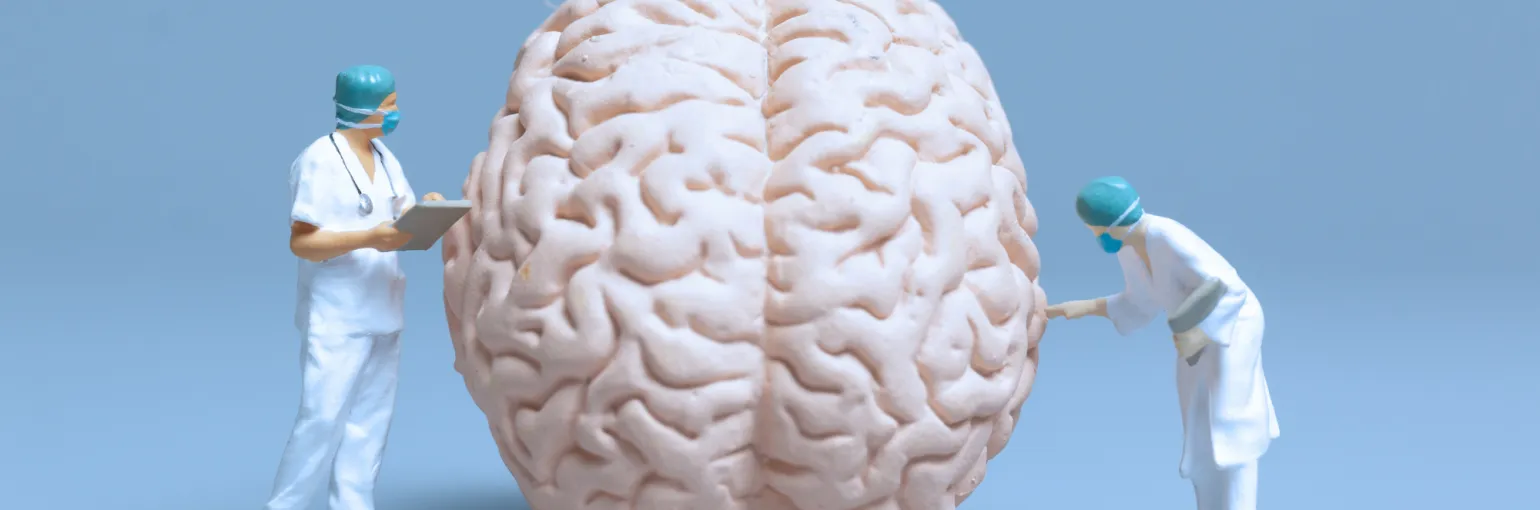
The brain and spinal cord too often still act as a black box, even with current multimodality monitoring in 2023, leaving clinicians unsure of what is really happening inside their sedated patient, how to make sense of the different signals displayed on the monitor and what therapeutic action to take or not to take. The underpinning of monitored signal changes by pathophysiological event knowledge obtained in the lab and carefully compared with insights from modelling big data from patient repositories is a first and indispensable step towards next-generation monitoring. The combination of such an integrative monitoring platform with smart visualization concepts – that associate events with probabilistic outcome prediction – and event/treatment ontology architectures, has a strong potential for truly beneficial decision support, and will make the black box more transparent.
The main and ultimate impact is expected in improved patient outcomes following acute central nervous system injury. Based on incidences of the involved pathologies in Europe and the proportion requiring ICU care, it is roughly estimated that this matter concerns. 320,000 patients per year in Europe. Every neuron saved from ischemic or apoptotic death can make a difference for the individual patient: the difference between either or not regaining consciousness, either or not having sufficient strength and coordination to walk, either or not avoiding serious cognitive decline.
We are looking for a PhD student that will help unveil and improve data on patients with acute CNS injury
You will make an inventory of existing data repositories;
You will harmonize and standardize clinical, imaging and monitoring data originating from different devices, platforms and databases;
You will develop and test a federated analysis network strategy that reconciles multicenter research with privacy legislation
You will be part of the SOPRANI network
The Urban lab is one of the partners in the EU-wide SOPRANI network that was recently granted a European MSCA Doctoral Training Network grant to train and guide 10 doctoral candidates in 10 individual research projects that are intended to substantially advance the field of neuromonitoring in patients with acute brain injury in neuro-intensive care.
The network includes leading researchers and clinicians in the field of central nervous system injury, biotechnology, biostatistics and data sciences, who have decided to join forces by composing a multidisciplinary team to teach young researchers in multiple competences and apply these in their research.
You should have a strong academic record and a Masters diploma in the fields of Bio-informatics, Computer Science, Mathematics, Engineering, Medicine or Biomedical Sciences. Previous research experience is a plus.
You should be able to work independently, take initiative, adopt critical judgment and demonstrate ability to work in team. You should be motivated to work with and listen to experts with a clinical background, with a biomedical sciences background ànd with biostatistical and engineering backgrounds. The project will include several network wide educational events and a secondment, for which travel, communication and social skills are required.
Proficiency in written and spoken English is crucial.
You can be of any nationality, but must not have resided or carried out your main activity in Belgium for more than 12 months in the 3 years immediately prior to your recruitment.
You will be expected to write a doctoral thesis on your research after 4 years.
Attempt to better understand what aspects of the response to injury in zebrafish enables circuit restoration, identify crucial molecular players, then translate and test these insights in mice as a member of the Farrow lab.